CDECT

School development · Andhra Pradesh

Better Facilities. Brighter Futures.

CDECT visits government schools and welfare hostels, records what each campus needs, and brings government, CSR partners and communities together to fix it — starting with clean toilets, safe water and dignified spaces for every child.

  • Needs recorded school by school
  • Proposals placed before the concerned departments
  • Progress reported to partners and officials
Illustrative concept
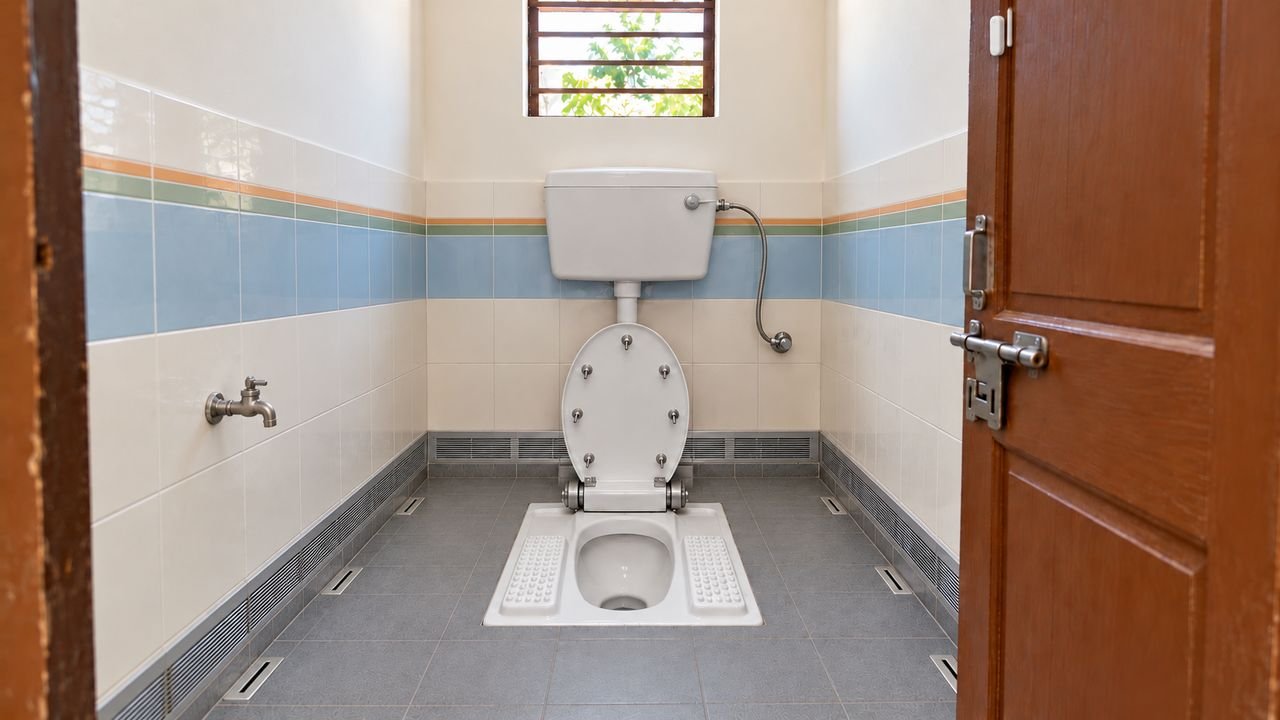
Illustration: the same cubicle refurbished as a smart sanitation unit — fresh tiles, a self-cleaning cover with spray nozzles, concealed floor-cleaning vents and a door sensor. After
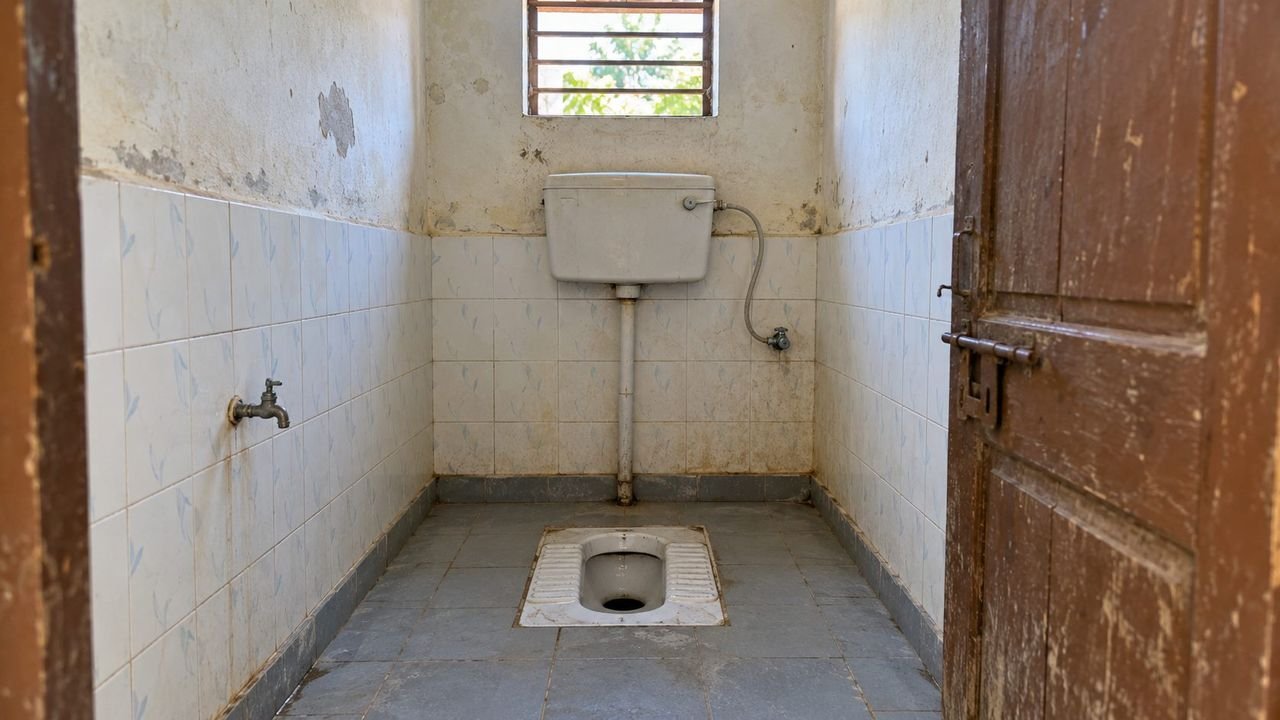
Illustration: a worn school squat toilet with stained walls, needing refurbishment. Before
School smart sanitation. A worn school toilet, and the same cubicle reimagined with a self-cleaning cover, spray system, concealed floor-cleaning pipes and a door sensor.
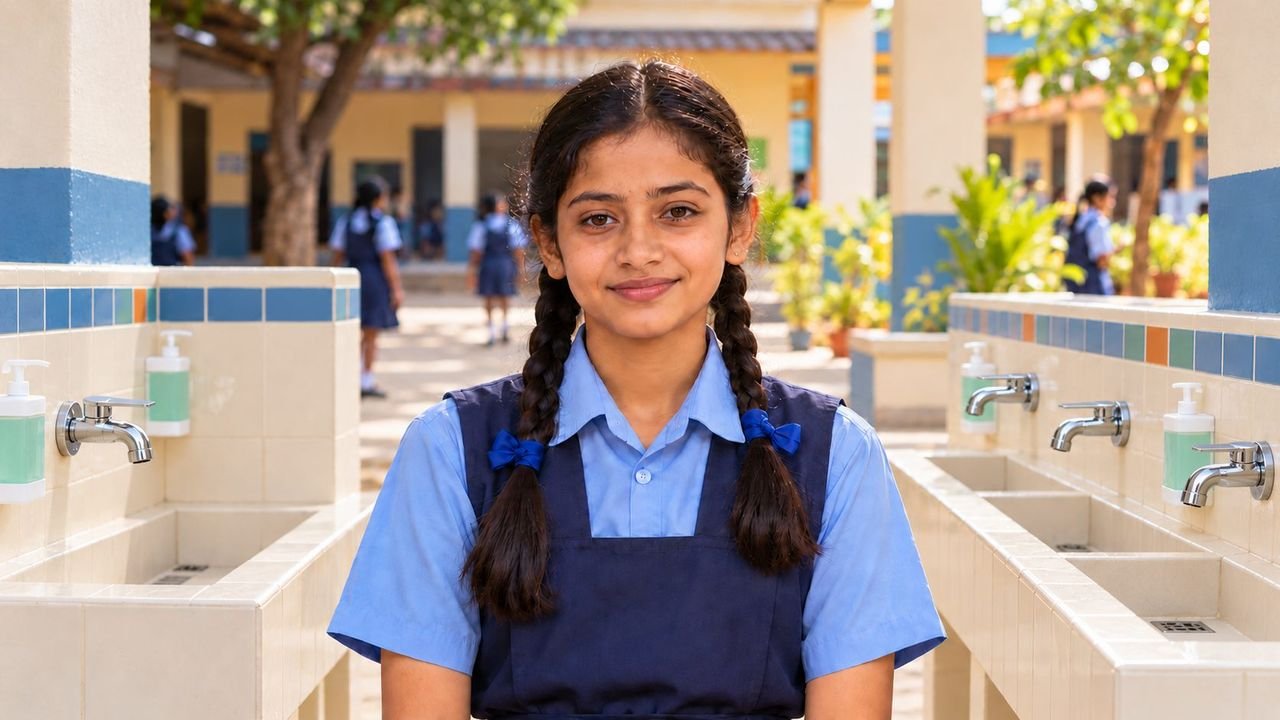
Illustration: the same student smiling beside clean handwashing basins with soap and closed lift-lever taps. After
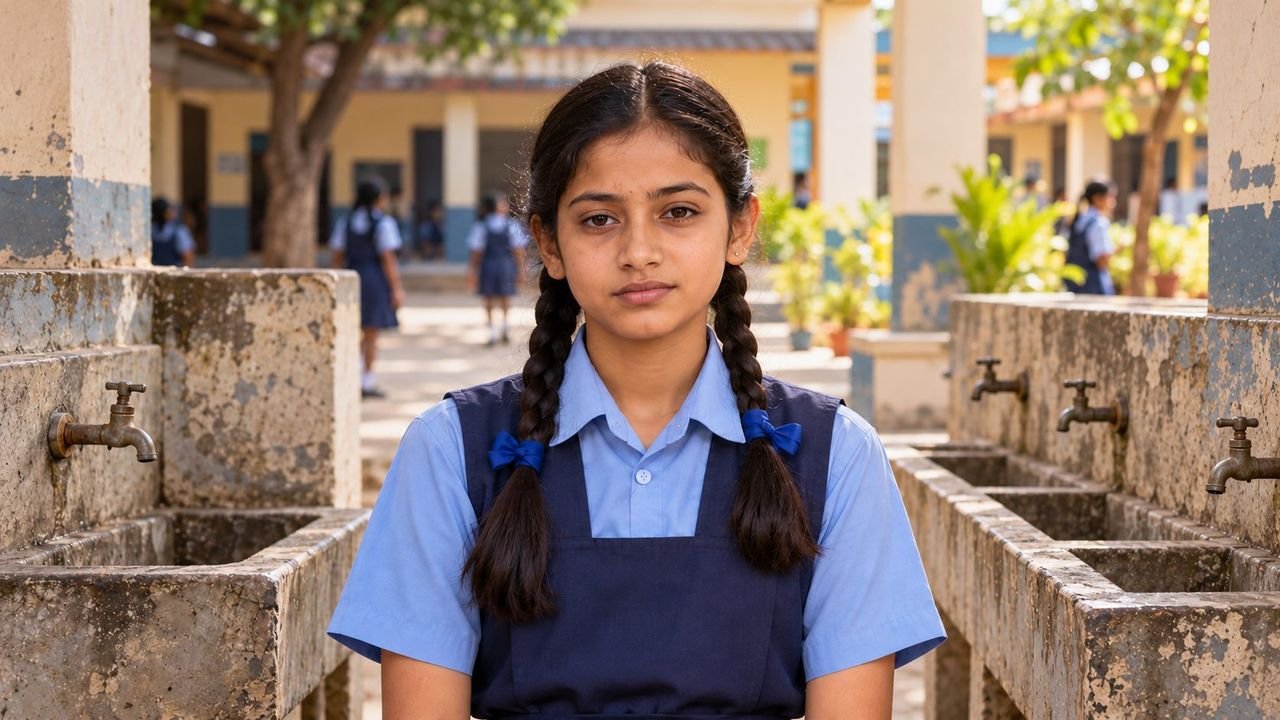
Illustration: a tired student standing beside worn, broken handwashing basins. Before
School hygiene & student wellbeing. A student beside worn handwashing basins, and the same student beside clean facilities with soap and closed lift-lever taps.

Illustrative concept images, digitally created to show the intended improvement. They are not photographs of a completed CDECT facility.

  • NGO DarpanRegistered with NGO Darpan, NITI Aayog, Government of IndiaAP/2024/0450754
  • Field reach1000+ Schools & HostelsGround visits completed

01Who we are

A ground-first trust for the schools that need it most.

CDECT works with government schools, residential schools and welfare hostels across Andhra Pradesh. We begin on the ground: visiting each campus, documenting conditions with a structured bilingual survey, and listening to heads of institutions and students.

That evidence becomes a school-specific plan — not a uniform package — which we take to the competent departments, CSR partners and communities so that every rupee is tied to a recorded need and a measurable result.

About CDECT
Our motto

Assess Every Need. Enable Every School. Empower Every Child.

Mission

To empower underprivileged children and communities by delivering integrated programmes that enhance access to education, health, hygiene, skill development and digital literacy.

Vision

A future where every child learns in a safe, clean, inclusive and digitally connected environment — free from disease, discrimination and poverty.

02Ground surveys

Every plan starts with a visit.

Our field teams use a 21-section, English–Telugu assessment covering classrooms and hostels, toilets and water, kitchens, electrical safety, health, digital access, drug prevention and the feasibility of smart sanitation.

1000+
Schools & HostelsGround visits completed
21
assessment sections, recorded in English and Telugu

School-level findings, photographs and reports are restricted to authorised officials and partners.

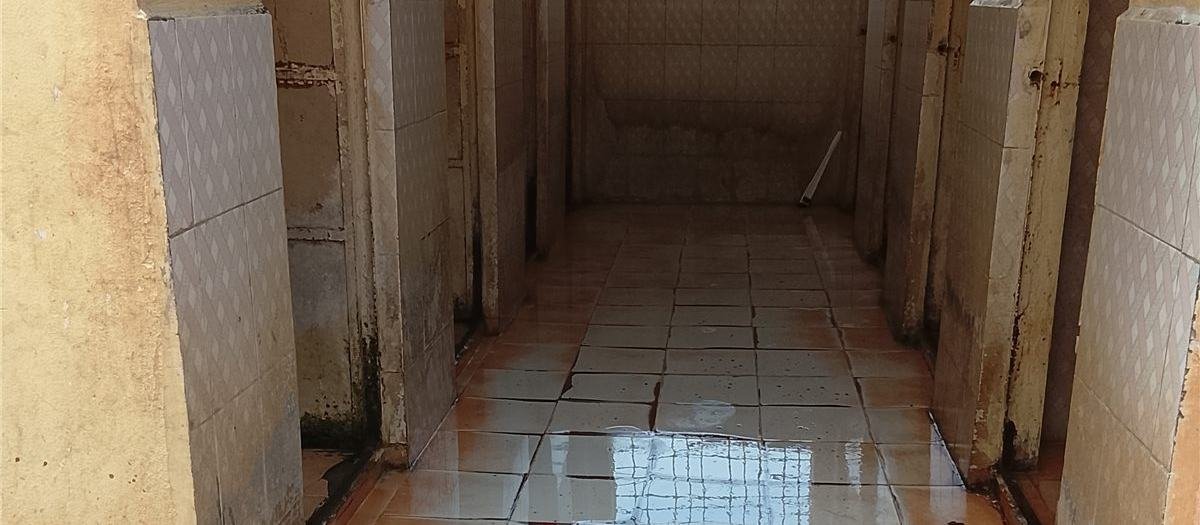
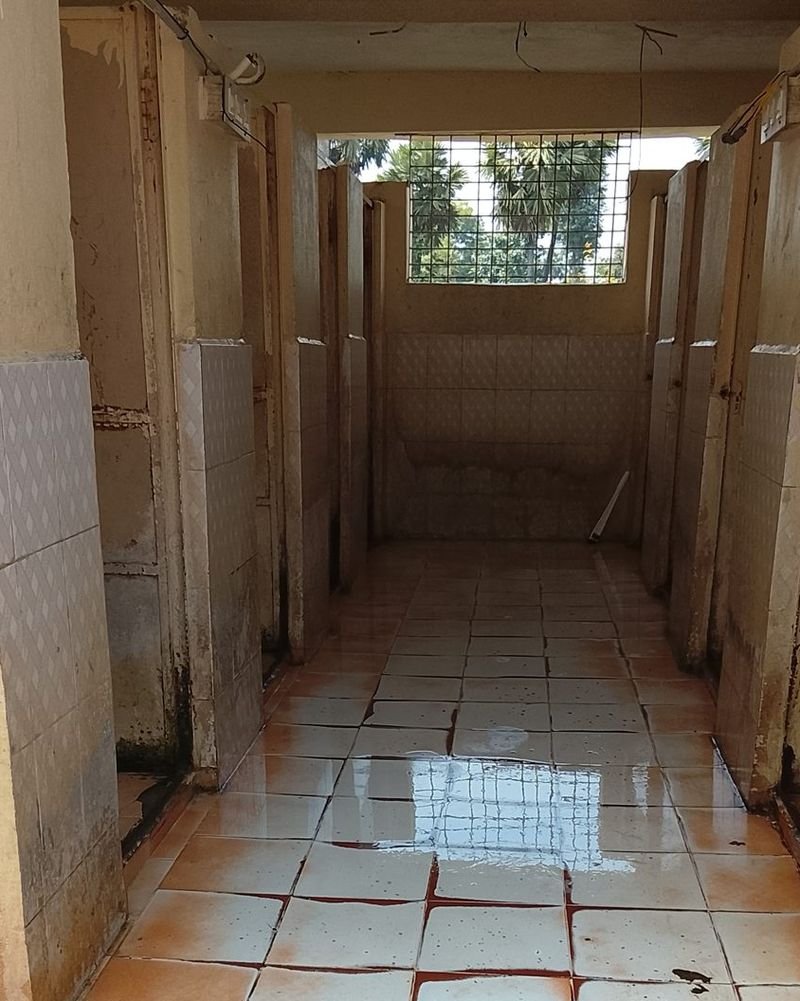
Field photographWashroom corridor, residential school · Manyam district · Oct 2025

  • Washroom corridor, residential school
    Washroom corridor, residential schoolManyam district · Oct 2025
  • Kitchen utensils, residential school
    Kitchen utensils, residential schoolManyam district · Oct 2025
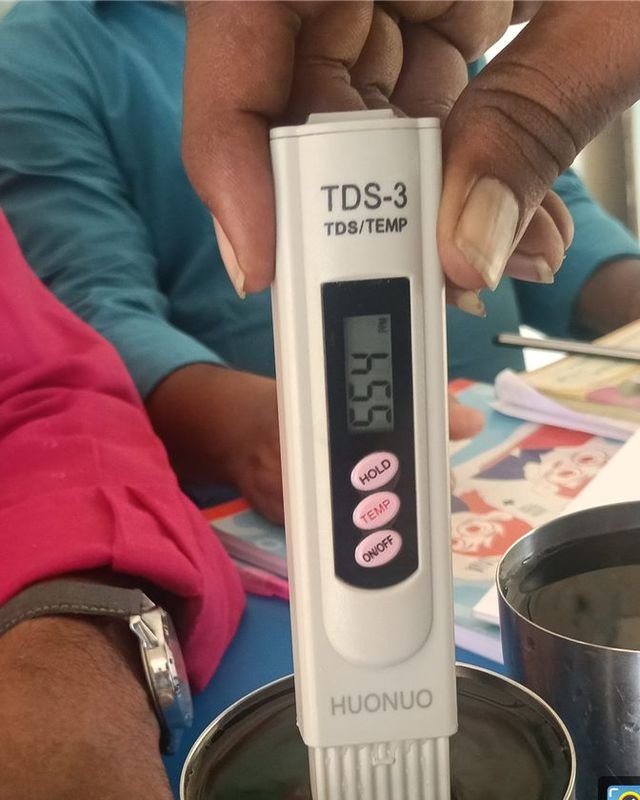
  • Drinking-water TDS testing
    Drinking-water TDS testingManyam district · Oct 2025
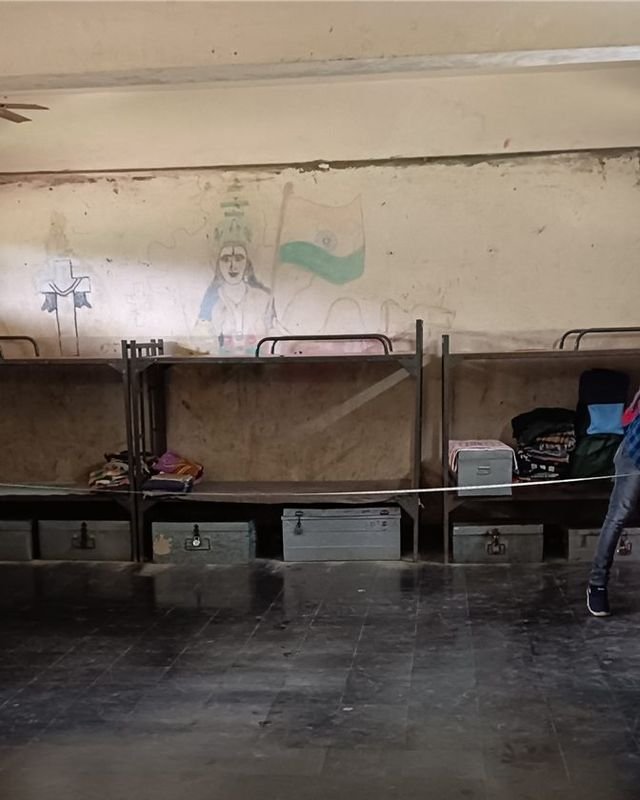
  • Hostel dormitory
    Hostel dormitoryManyam district · Oct 2025

Field photographs from CDECT ground surveys, cropped to remove location stamps.

03Programme areas

Six areas, one integrated plan for each school.

Depending on what a survey finds, a school may need one area or several. We plan them together so that infrastructure, awareness and maintenance support each other.

All programmes
  1. Digital Schools

    Computer labs, smart classrooms, digital literacy for students and trained digital support staff where departments permit.

  2. Smart Sanitation

    Self-cleaning, water-efficient toilet technology and better maintenance systems for high-use school and hostel washrooms.

  3. Safe Drinking Water

    Water-quality testing, purification and dispensing suited to each campus, with awareness on safe water and conservation.

  4. Student Safety & Self-Defence

    Structured self-defence and personal-safety training, with special programmes for girl students and safer campus practices.

  5. Pranodaya — Drug Awareness

    Age-appropriate drug-awareness and prevention sessions, peer activities and responsible life-skills for students, parents and teachers.

  6. Health, Hygiene & Swachh Vidyalaya

    Handwashing, toilet hygiene, menstrual-hygiene awareness and clean-campus campaigns aligned with Swachh Vidyalaya.

04Featured project

In preparation

Smart self-cleaning toilet pilot, Adavithakkellapadu

Dr. B.R. Ambedkar Gurukulam, Adavithakkellapadu, Guntur district

Following CDECT’s proposal, the A.P. Social Welfare Residential Educational Institutions Society (APSWREIS) approved in principle, on 11-03-2026, a pilot of smart self-cleaning toilet technology at this school — without financial burden to the Government and subject to a Detailed Project Report. Site preparation has begun.

Unit count, cost and completion will be published from signed project records.

Project details
  1. Proposal submitted to APSWREIS 25-02-2026
  2. Approved in principle, subject to DPR 11-03-2026
  3. Site preparation begun Current stage
  4. Detailed Project Report & specifications Upcoming
  5. Construction & installation Upcoming
  6. Commissioning, handover & monitoring Upcoming
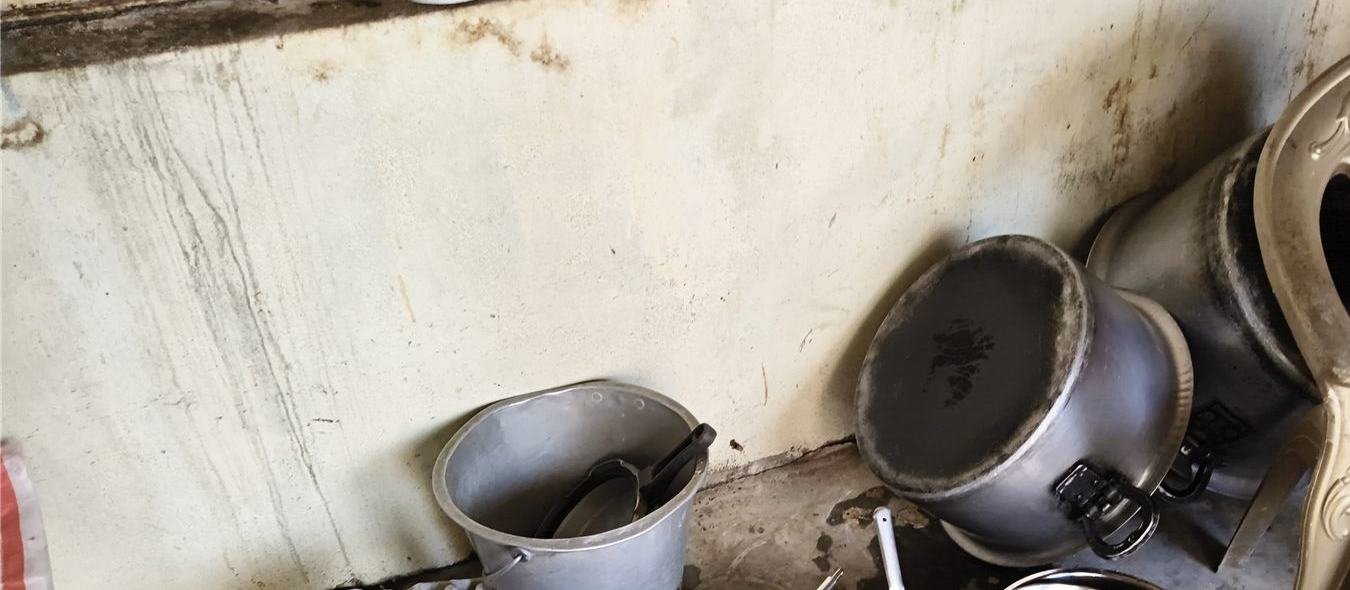
Kitchen utensils, residential school, documented during a CDECT ground survey

05How we work

From school needs to school transformation.

Field photographKitchen utensils, residential school · Manyam district · Oct 2025

  1. 01

    Survey

    Visit and document each campus with the bilingual assessment.

  2. 02

    Identify

    Record specific gaps with photographs and measurements.

  3. 03

    Prioritise

    Rank needs by urgency, safety and number of students affected.

  4. 04

    Design

    Prepare school-specific plans, specifications and budgets.

  5. 05

    Mobilise

    Seek approvals and align government, CSR and community resources.

  6. 06

    Implement

    Execute approved works with the institution and authorities.

  7. 07

    Monitor

    Track use, maintenance and outcomes after handover.

  8. 08

    Report

    Share progress and fund utilisation with partners and officials.

06CSR partnerships

Fund a documented need, not a guess.

CSR teams and institutions can partner with CDECT on a single school, a cluster or a district. Each proposal is built from surveyed needs, with a defined scope, budget and reporting plan.

  • School-specific needs drawn from ground surveys
  • Clear scope, budget and implementation timeline
  • Work coordinated with the concerned departments
  • Progress records, photographs and utilisation reports

Relevant to CSR areas under Schedule VII of the Companies Act, 2013, including sanitation, safe drinking water, health and education.

08Resources

Proposals, frameworks and reports.

All resources
  • State-wide School Development Proposal

    Integrated approach, verticals and implementation roadmap.

    Available on request
  • Ground Visit Assessment Framework

    The 21-section English–Telugu school and hostel survey.

    Available on request
  • Smart Sanitation Concept Note

    Self-cleaning toilet, floor-cleaning and greywater concepts.

    Available on request
  • Swachh Vidyalaya Overview

    Why clean, safe school sanitation matters.

    Available on request

09Contact

Talk to us about a school, a district or a partnership.

Office
Amaravathi, Andhra Pradesh
Email
support@cdect.org.inchildrensdevelopment@gmail.com
Hours
Mon–Fri, 8:00 am – 6:00 pm